2026 Nashville Spring Festival Feng Shui Site Visit: What the May 9th Event Confirmed
Nashville Spring Festival Confirmed a Classical Feng Shui Principle
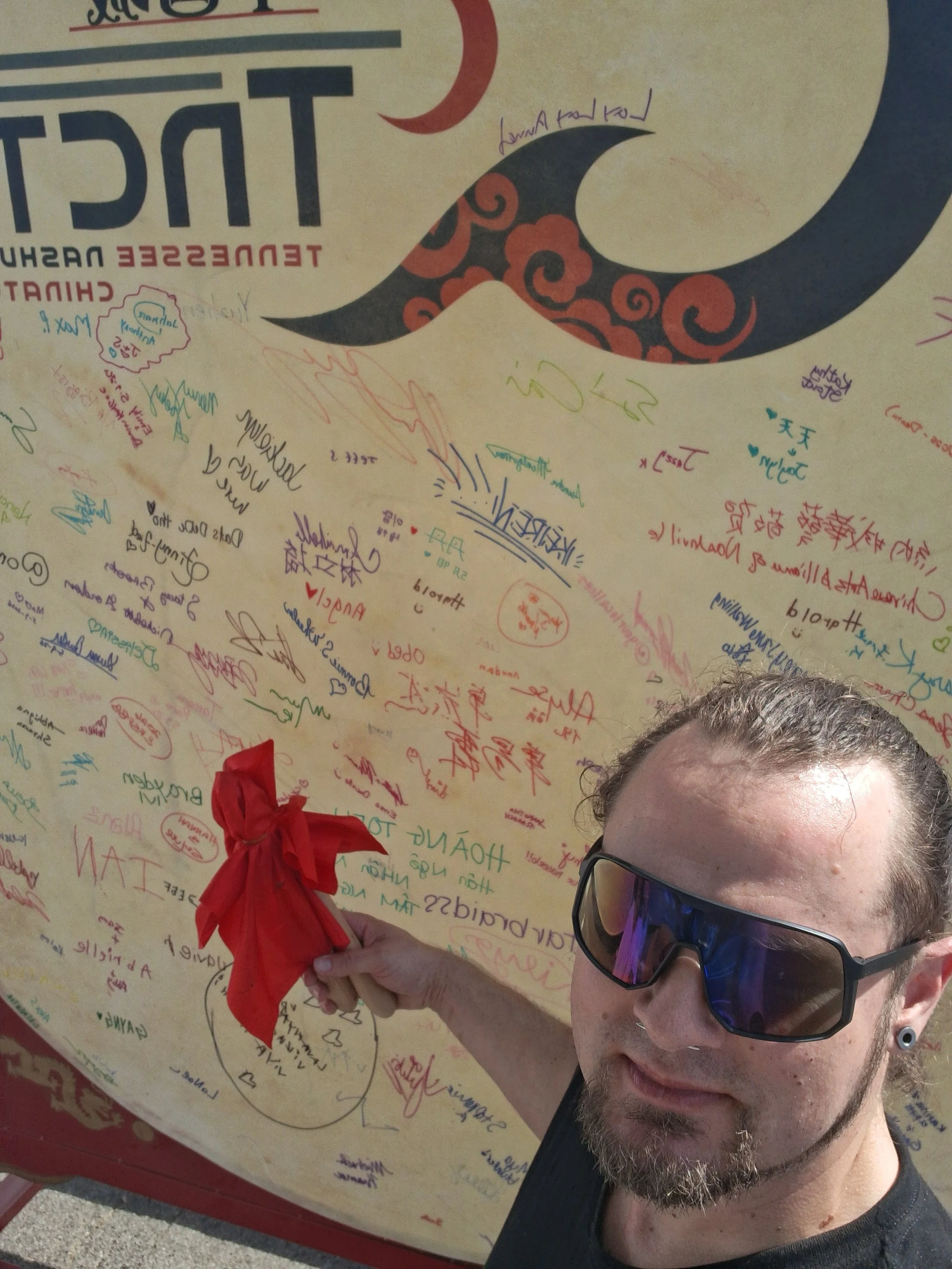
On May 9th, I returned to the Nashville Spring Festival at Chinatown to confirm a classical feng shui site analysis I had made before the event.
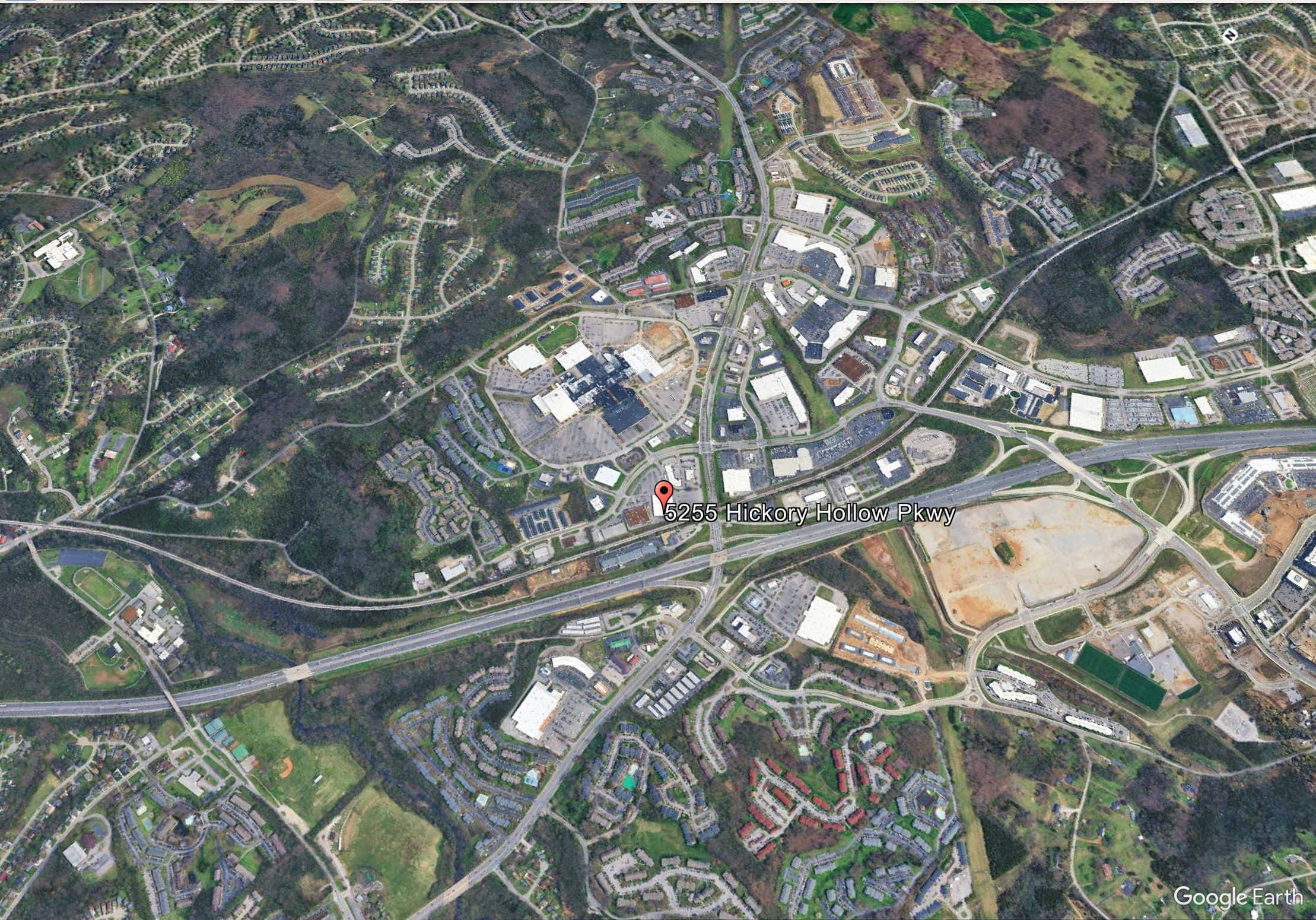
This was not a decorative feng shui reading. I was not looking at colors, symbols, or lucky objects. I was studying something much more practical: how movement entered the site, where people gathered, how traffic circulated, where attention concentrated, and where the energy of the event began to drain away.
In classical San He feng shui, roads, entrances, parking lots, crowds, doors, walkways, and exits all function like water. They show us how qi moves through a property. When movement slows, gathers, and becomes useful, opportunity increases. When movement rushes through or leaks away too quickly, results weaken.
That is exactly what the May 9th Spring Festival revealed.
This is the confirmation of my previous classical San He Feng Shui site analysis. The land and water flow (when it rains) reveal the site slowly receives usable not chaotic energy that allows qi to settle but it is pulled powerfully away at the water exit. The strength of the exiting energy was strong and no vendors were there only the portable bathrooms. This means the site receives chi but cannot retain it well enough to create a big turn out and the store will experience inconsistency in sales. Inside the store is beautiful and has a variety of Asian delicious produce, seafood and meats from China, Korea, Japan and others. Personally I really enjoyed shopping there and will be back.
The Main Entrance Also Functioned as the Water Entrance
The most important confirmation began at the main entrance.
At this site, the main entrance also acted as the water entrance. In feng shui terms, this is where qi first enters the property. In practical language, it is where traffic, people, attention, and opportunity begin to flow into the event.
The traffic entered slowly. That mattered.
Fast movement can scatter qi. Slow movement allows qi to collect. A full parking lot showed that the site was capable of receiving people and attracting activity. This confirmed that the entrance had usable energy. It was not empty, weak, or dead. It had enough movement to bring people in without immediately overwhelming the space.
For a public event in Nashville, Tennessee, this is important. A site may have visibility, but visibility alone does not guarantee strong results. The question is whether people can enter, slow down, orient themselves, and begin engaging with the space.
At the Spring Festival, the entrance supported that first stage.
The Center of the Bureau Showed Activity, but Not Full Amplification
In the video, the entrance to the Spring Festival, reveals the center of the bureau. This is the area where movement gathers after entering the site.
In San He analysis, the bureau is not only an abstract compass formula. It must be confirmed by the real environment. You look at the entrance, the exits, the surrounding roads, the internal circulation, and the way people actually behave on site.
The center of this bureau showed activity. There was traffic. There were parked cars. There was movement. The entrance had a functional relationship to the event.
However, the turnout was only moderate. That tells us something important.
The site could attract people, but it did not fully amplify the crowd. In other words, the qi entered, but the site did not completely hold, deepen, and multiply that activity.
This is where the analysis becomes more interesting.
The Most Successful Vendors Were in the Path of Water Flow
The clearest confirmation came when the camera turned toward the water exit.
The most successful vendors were not randomly successful. They were positioned directly in the path of the water flow — the natural route people took after entering the site. The most successful vendors were near the festival entrance not near the water exit.
This is one of the most important lessons from the Spring Festival confirmation.
In feng shui, success often appears where movement, visibility, and timing come together. A vendor can have a good product, but if they are hidden from the flow of people, they may struggle. Another vendor may have a simple setup, but if they are placed where movement naturally gathers and passes, they receive more attention, more conversation, and more opportunity.
This is why classical feng shui is deeply practical.
It is not only about whether a space “feels good.” It is about whether the land, layout, traffic pattern, entrances, exits, and human movement support the intended result.
At this Nashville Spring Festival, the strongest vendor activity appeared where the water flow carried people.
That confirmed the original site reading.
The Water Exit Was Clear, Open, and Occupied by Bathrooms
The next important confirmation was the water exit.
The water exit was clear and open. It was also occupied by bathrooms.
In classical feng shui, the exit is extremely important because it shows how qi leaves a site. A clear exit can be useful when properly controlled, but when the exit is too open or too directly connected to draining functions, the site may have difficulty retaining energy.
Bathrooms add another layer to this. In practical terms, bathrooms are necessary. But symbolically and functionally, they are associated with drainage, waste, and release.
So when the water exit is open and occupied by bathrooms, the site may be able to bring people in, but it can also release them too quickly.
That matched what I observed.
The event had activity. People did attend. The parking lot filled. Vendors received attention. But the turnout was not as strong as it could have been, and the site showed a challenge with retention and conversion.
In plain language: the event could attract people, but the space had difficulty holding them long enough to create a stronger, fuller, more concentrated experience.
Why Retention and Conversion Matter in Feng Shui
Most people think of feng shui as decoration. But in a business, event, restaurant, office, clinic, or retail environment, feng shui is also about conversion.
Do people come in?
Do they stay?
Do they move where you want them to move?
Do they notice what matters?
Do they buy, book, register, return, or refer?
These are feng shui questions.
For the Nashville Spring Festival, the entrance helped bring people into the site. The vendor flow showed where opportunity gathered. The water exit revealed why retention was weaker than expected.
This is the same type of analysis I use for homes, businesses, offices, clinics, restaurants, and event spaces. The details change, but the principle remains the same:
Where movement gathers, opportunity appears. Where movement leaks, results weaken.
Inside the Main Entrance: Selection, Registers, and Conversion Points
The final part of the video shows the inside of the main entrance, including the selection and register locations.
This matters because the first interior contact points determine whether incoming qi converts into action.
In a business setting, the register is not just a register. It is a conversion point. Product placement is not just display. It is a relationship between visibility, movement, decision-making, and timing.
If people enter but do not clearly know where to go, what to look at, or how to take action, the qi disperses. If the entrance, product selection, and register are aligned with the natural movement pattern, the space becomes easier to navigate and more effective commercially.
This is where feng shui becomes very practical for local Nashville businesses.
A business does not only need foot traffic. It needs usable foot traffic. It needs movement that turns into engagement, sales, appointments, retention, and repeat visits.
Classical San He Feng Shui Applied to Real Nashville Land
This Spring Festival confirmation is part of a larger body of fieldwork I have been documenting throughout Nashville, TN.
Classical feng shui must be tested in the real world. It is not enough to memorize formulas. A practitioner must observe landform, road flow, entrances, exits, slope, containment, gathering points, leakage points, and actual human behavior.
For those familiar with feng shui, this site showed a practical relationship between:
Water entrance
Water exit
Center of the bureau
Branch and phase
Traffic speed
Vendor placement
Qi gathering and leakage
Retention and conversion
For readers new to feng shui, the principle is simple:
A space has a pattern.
That pattern influences how people move.
How people move influences what they notice.
What they notice influences what they do.
What they do creates the result.
This is why feng shui can be applied to more than homes. It can also be used to understand businesses, festivals, offices, clinics, restaurants, and public spaces.
What the May 9th Confirmation Revealed
The May 9th Nashville Spring Festival confirmed the main points of the original analysis.
The site could attract movement. The entrance was active. The parking lot showed capacity. The main flow path helped certain vendors receive stronger attention. But the open water exit, combined with the bathroom location, showed why the site had difficulty holding and amplifying the crowd.
This does not mean the event was a failure. It means the land and layout revealed a specific pattern:
Attraction was present. Retention was weaker. Conversion depended heavily on placement within the flow.
That is an important distinction.
Many businesses and events have the same problem. They can attract attention, but they struggle to hold it. They can bring people in, but they do not always guide people into deeper engagement.
Classical feng shui helps diagnose that pattern.
Why This Matters for Nashville Businesses and Property Owners
Nashville is growing quickly. New businesses, restaurants, clinics, wellness spaces, offices, and events are appearing across the city. But many owners focus only on branding, signage, social media, and interior design.
Those things matter.
But they do not replace the deeper question:
Does the site itself support the result you want?
A beautiful business can still leak opportunity.
A busy location can still struggle with retention.
A strong event can still underperform if the movement pattern is not properly contained.
A home can feel unsettled when the land and internal flow do not support the people living there.
This is where classical feng shui gives a different kind of insight.
It studies the relationship between land, movement, structure, timing, and human behavior.
Final Takeaway
The Nashville Spring Festival at Chinatown provided a clear real-world example of classical San He feng shui in action.
The main entrance brought people in.
The center of the bureau showed activity.
The strongest vendors appeared along the water flow.
The clear water exit and bathroom location showed the retention challenge.
The interior register and selection areas revealed the final conversion points.
This is the value of field confirmation.
Feng shui is not guesswork. It is observation, measurement, pattern recognition, and real-world testing.
The May 9th Spring Festival confirmed one of the most important principles in classical feng shui:
Where movement gathers, opportunity appears. Where movement leaks, results weaken.
Classical Feng Shui Consultations in Nashville, TN
White Crane Feng Shui provides classical feng shui consultations for homes, businesses, offices, clinics, restaurants, and important life or business transitions in Nashville, TN and surrounding areas.
My work focuses on classical landform feng shui, San He water theory, BaZi, date selection, and practical implementation. The goal is not decoration. The goal is to understand how your environment is affecting movement, opportunity, stability, retention, health, relationships, and results.
To schedule a consultation or request a site analysis, click the button below